

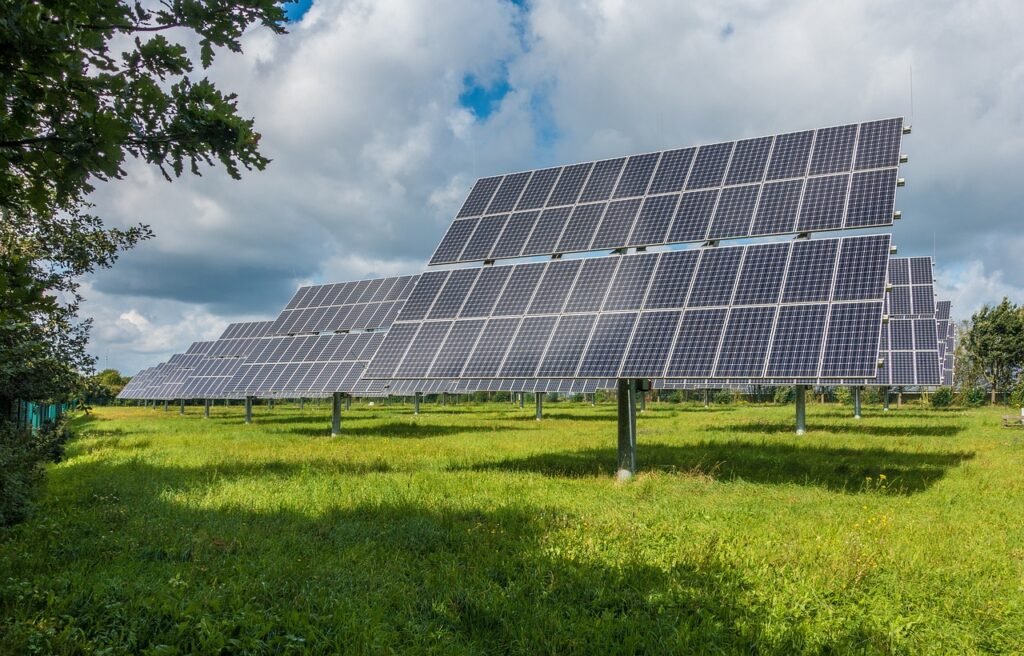
Inter Energy Engineering Consultants Pvt. Ltd
Why Should You Switch?

Sustainable & Renewable Energy
- Fossil fuels are by far the largest contributor to global climate change, accounting for over 75% of global greenhouse gas emissions and nearly 90% of all carbon dioxide emissions.
- To avoid the worst impacts of climate change, emissions need to be reduced by almost half by 2030 and reach net-zero by 2050.
- Solar energy is now the most cost-effective option.
- Let’s continue to prioritize sustainable energy solutions for a greener future!
Safe & Reliable Power Production
- Operating solar panels is entirely safe and does not generate any harmful or toxic fumes, gases, or waste and there is no fire hazard. The sole byproduct of a home solar energy system is inexpensive, clean electricity and no maintenance required.
- 30 year performance warranty on solar panels.
- 8 years warranty on inverters.
- 5 years warranty on electrical accessories
- Wi-fi based monitoring module and android app to show power generation details.
Great Savings & Return on Investment
- Pay back period as low as 3 years.
- Low interest finance facility of 7% up to 3kW and 9.5% up to 10kW*.
- One of the most secure investment, a sun energy is found abundantly everywhere.
- Increases your home value.
- Alternate finance option.
- depending on bank, subject to terms and conditions.
Our Services
Residential
Inter energy is an expert in designing, execution, installation, and maintenance of solar panels for residential houses.
Commercial / Industrial
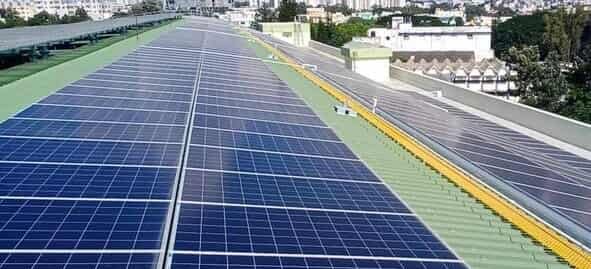
Inter energy will install roof top solar panel system for the energy requirements of various commercial and industrial settings, including businesses, offices, factories, warehouses, and other establishments.
Maintenance & Support
Inter energy will provide maintenance support for any solar service ie. residential commercial, industrial rooftop solar system maintenance and needs you may have. Rest assured that we will handle all your solar service and maintenance needs.
Roof Top Solar System
How Rooftop Solar System Works?
Solar energy functions by capturing sunlight and transforming it into usable electricity using photovoltaic (PV) cells or solar panels. These panels consist of numerous photovoltaic cells, typically crafted from semiconductor materials like silicon. When sunlight strikes these cells, it energizes the electrons within the material, prompting them to move and generate an electric current. This current, produced in the form of direct current (DC) akin to battery-produced electricity, needs conversion to alternating current (AC) since most electrical devices and systems operate on AC.
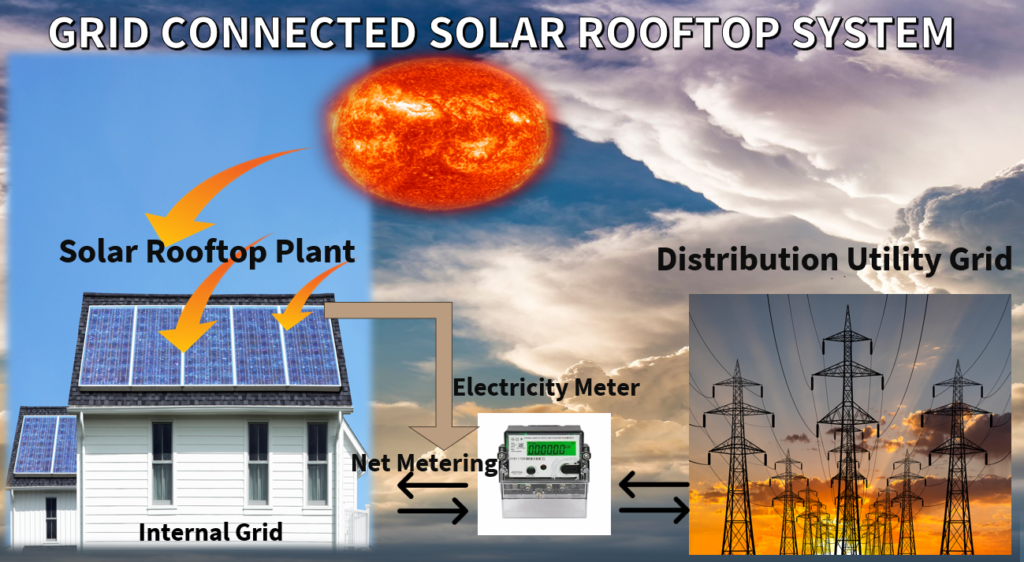
This conversion is accomplished by an inverter, which transforms the DC electricity from solar panels into AC electricity, suitable for powering homes, businesses, and various electrical devices. Once converted to AC, the electricity can be immediately utilized for devices or fed into the electrical grid for wider distribution. In grid-connected solar setups, surplus electricity generated during sunny periods can be redirected to the grid, potentially earning users credits or payments via net metering or feed-in tariffs.
Net Metering
Net metering facilitates the charging of grid-connected solar energy systems, granting system owners credits for surplus electricity. The implementation of solar energy is simplified with net metering, providing system owners with savings on electricity expenses and promoting widespread adoption.
How Net Metering Works?
- Electricity Generation: Grid-connected solar energy systems, such as rooftop solar panels, produce electricity from sunlight using photovoltaic (PV) technology, which generates direct current (DC) electricity.
- Inverter Conversion: An inverter converts the DC electricity from solar panels into alternating current (AC) electricity, suitable for use in homes and businesses.
- Usage and Excess Generation: During periods of surplus generation, such as sunny days with low energy demand, grid-connected solar systems feed excess electricity back into the electrical grid.
- Bidirectional Metering: Utility companies install bidirectional meters to measure both electricity consumption from the grid and surplus electricity fed into the grid.
- Credit System: Through net metering, surplus electricity fed back into the grid earns credits on the system owner’s electricity bill, typically at the same rate as grid electricity.
- Usage and Billing: At the end of each billing cycle, utility companies calculate net electricity usage by subtracting electricity generated by the solar system and fed back into the grid from electricity consumed from the grid.
- Credit Carryover: Excess credits from surplus generation can be carried over to future billing periods, allowing system owners to offset costs during periods of low solar generation, such as cloudy days or nighttime.
Gross Metering
Gross metering in solar energy pertains to a billing approach where all electricity produced by a solar photovoltaic (PV) system is sent to the grid, and the system owner is reimbursed for the total output, irrespective of whether it is used on-site or fed into the grid. This method offers a simple means for system owners to monetize all electricity generated by their solar panels and promotes the uptake of solar energy by providing financial incentives for grid export.
How Gross Metering Works?
- Electricity Generation: Solar photovoltaic (PV) systems generate electrical energy by converting sunlight through photovoltaic cells.
- Export to Grid: In gross metering, all electricity produced by solar panels is sent to the electrical grid without differentiation between on-site consumption and surplus electricity sent to the grid.
- Single Metering: A single meter measures the total electricity generated by the solar PV system and exported to the grid, without separating on-site usage from grid export.
- Compensation: System owners are compensated for all electricity exported to the grid at a predetermined rate, which can be set by the utility company, government feed-in tariffs, or other incentive programs.
- Electricity Consumption: On-site consumption not generated by the solar PV system is meter ed separately and billed based on standard electricity rates.
- Benefits:
- Revenue Generation: Gross metering enables solar system owners to earn revenue by selling all generated electricity to the grid.
- Simplified Billing: Billing is simplified as there is no need to distinguish between on-site consumption and grid export.
- Incentive for Grid Export: Gross metering encourages system owners to maximize grid export, increasing renewable energy contribution to the grid.
- Considerations:
- Rate Structure: Compensation rates for exported electricity can vary based on local regulations, utility tariffs, and incentive programs.
- System Sizing: System owners may adjust solar PV system sizes to optimize grid export and revenue generation under gross metering.

Products
Australian Premium solar
APS boasts a skilled and seasoned team of specialists with extensive national and international expertise in every aspect of solar engineering and production. This expertise allows us to locally manufacture top-tier modules of global standards.
Monocrystalline Solar Panel
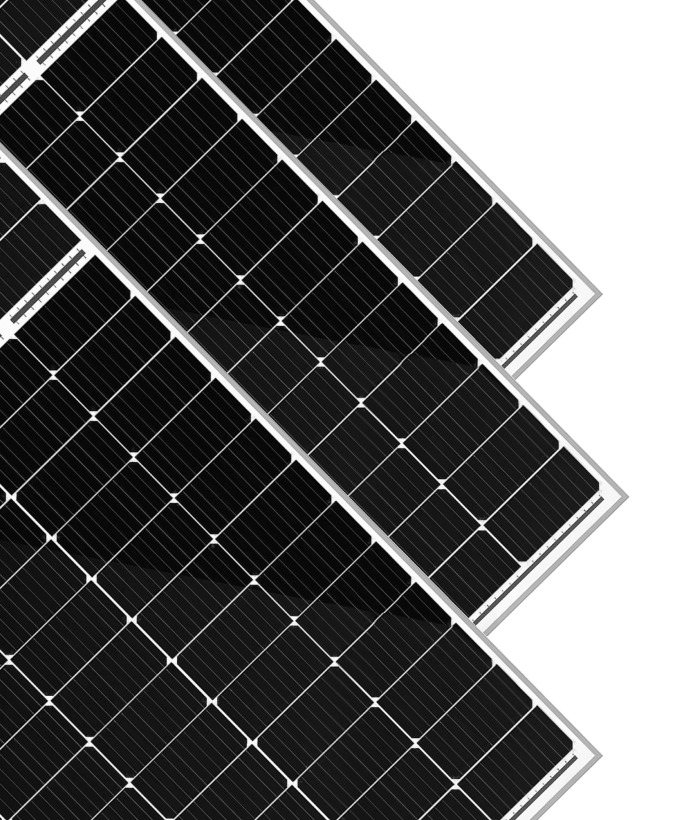
Monocrystalline solar panels are photovoltaic (PV) panels characterized by a single continuous crystal structure, known for their exceptional efficiency. These panels are manufactured by using silicon ingots derived from a single, pure silicon crystal, resulting in a uniform appearance. Monocrystalline solar panels are preferred for their high efficiency, durability, and attractive design, making them a favored option for numerous solar energy systems.
Polycrystalline Solar Panels
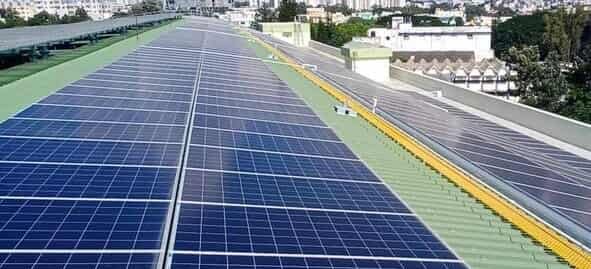
A polycrystalline solar panel is a photovoltaic (PV) module designed to convert sunlight into electricity. These panels utilize silicon, a semiconductor material widely used in solar cell manufacturing. Polycrystalline panels differ from monocrystalline panels in their production method and appearance. Polycrystalline solar panels provide a cost-efficient and robust solution for capturing solar energy. Their dependable performance makes them a favored option for residential, commercial, and industrial solar power systems.
Grid -Tied String Inverters
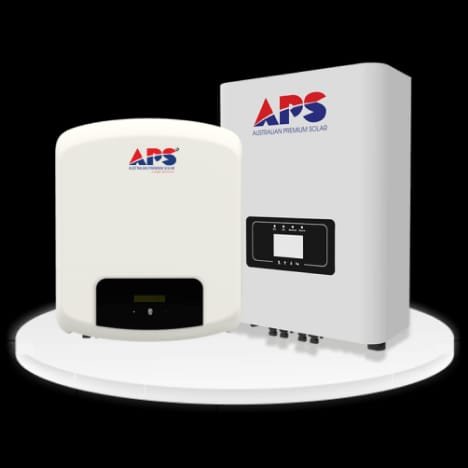
Grid-tied string inverters play a vital role in grid-tied solar photovoltaic (PV) systems. These inverters are essential for converting the direct current (DC) electricity generated by solar panels into alternating current (AC) electricity, which is suitable for powering homes, businesses, or sending back to the electrical grid. Grid-tied string inverters are crucial for optimizing energy production from solar PV systems and facilitating smooth integration with the electrical grid. They are a fundamental component of grid-tied solar setups, providing efficiency, monitoring capabilities, control functionalities, and support for the grid.


Global Warming: A Critical Challenge
Global warming is an urgent threat to our planet. It results from the accumulation of greenhouse gases (such as carbon dioxide, methane, and nitrous oxide) in the atmosphere. These gases trap heat, leading to rising temperatures, extreme weather events, and disruptions to ecosystems.
Solutions to Combat Global Warming
Here are some key solutions that can help counter global warming:
- Keep Fossil Fuels in the Ground:
- Fossil fuels (coal, oil, and gas) contribute significantly to greenhouse gas emissions.
- Transitioning away from fossil fuels is essential. All countries should prioritize clean energy sources.
- Invest in Renewable Energy:
- Renewable energy technologies, such as solar, wind, and geothermal power, offer sustainable alternatives to fossil fuels.
- Solar panels, for instance, harness sunlight to generate electricity without emitting greenhouse gases.
- Switch to Sustainable Transport:
- Petrol and diesel vehicles contribute to emissions. Transitioning to electric vehicles and reducing air travel can make a difference.
- Improve Home Efficiency:
- Proper insulation, energy-efficient appliances, and heat pumps can reduce energy consumption and lower carbon footprints.
- Promote Plant-Based Diets:
- Livestock farming produces significant emissions. Reducing meat and dairy consumption or adopting a vegan diet helps combat climate change.
- Restore Nature:
- Planting trees and supporting rewilding efforts enhance carbon sequestration.
- Forests play a critical role in absorbing carbon dioxide as they grow.
Solar Energy’s Role:
- Solar power is abundant, renewable, and clean.
- Photovoltaic solar panels convert sunlight into electricity, reducing reliance on fossil fuels.
- Investing in solar energy can significantly reduce carbon footprints and combat global warming.
Remember, collective efforts at individual, community, and global levels are essential to address climate change effectively. Let’s work together to create a sustainable future! 🌎☀️
REFERENCE
https://www.un.org/en/climatechange/how-communities-are-embracing-renewable-energy
About Us
Inter Energy Engineering Consultants Private limited is a dynamic and forward thinking private limited company dedicated to improving energy efficiency in Oil & Gas and power plant sector. Established in 2023, we have swiftly grown to become a trusted player in the energy sector.
Mission Statement
"At Inter Energy Engineering Consultants Private Limited, our mission is to revolutionize the energy sector by delivering cutting-edge and sustainable solutions that maximize energy efficiency and minimize environmental impact. We are committed to providing innovative technologies, exceptional service, and comprehensive expertise to empower our clients in achieving their energy goals. Through our unwavering dedication to excellence, collaboration, and environmental stewardship, we strive to be the catalyst for positive change in the global energy landscape."
Key Services/Products
- Engineering Consultancy for Oil & Gas and Power Plants.
- Product engineering services for Rotating equipment
- Energy Auditing and energy efficiency improvement consultancy services
Clientele
We are proud to have served a diverse clientele, including Bilfinger Middle East.
Team
Our team consists of highly skilled professionals with a passion for Energy efficiency improvement in oil & gas and power generation sector. Their expertise and commitment drive our success and innovation.
GET IN TOUCH
Address
Second Floor, V6-4-152/4 (24) Shop no S5B, Udbhav Square NH66, Near Kottara Flyover, Derabail, Mangaluru, Dakshina Kannada, Karnataka, India, 575006.
GSTIN:29AAHCI2226C1ZV
For More Information Contact:
Mr. Pratheek DK
M : +91 8243506559
+91 8884463069
E : pratheek@interenergy.in
Inter Energy
-
Hello world!
Welcome to WordPress. This is your first post. Edit or delete it, then start writing!